Computers: The Beginning
Introduction
Computers have been in my earliest memories. They have given me a career and showed me a path to success. Technology poses an interesting dichotomy in my life. While the existence of technology has provided much. I also see pitfalls, shortcomings, and unfulfilled promises. What will technology provide my son? What will his experience be? How will it differ from my own?
Will the computer love the sunset
Will we midwife our demise
Can it calculate my love and
Will it know how to be kind
u can’t jus rewind1
The Beginning
My first memory of a computer was at Christmas. Something new had been gifted. My grandpa and uncles gathered around the screen typing commands into the terminal. They were reading from a large white booklet. One of them showed me. Look, you type in commands and then things will happen on the screen. Up popped a cityscape with two gorillas on each end. Typing more commands caused the gorillas to throw bananas at each other. Arcing through the sky the bananas would explode on impact, destroying parts of the city. Scoring a direct hit on the enemy gorilla would score you a point and the scene would reset for another round2. This was magic. How could you make these things happen just by pressing buttons?
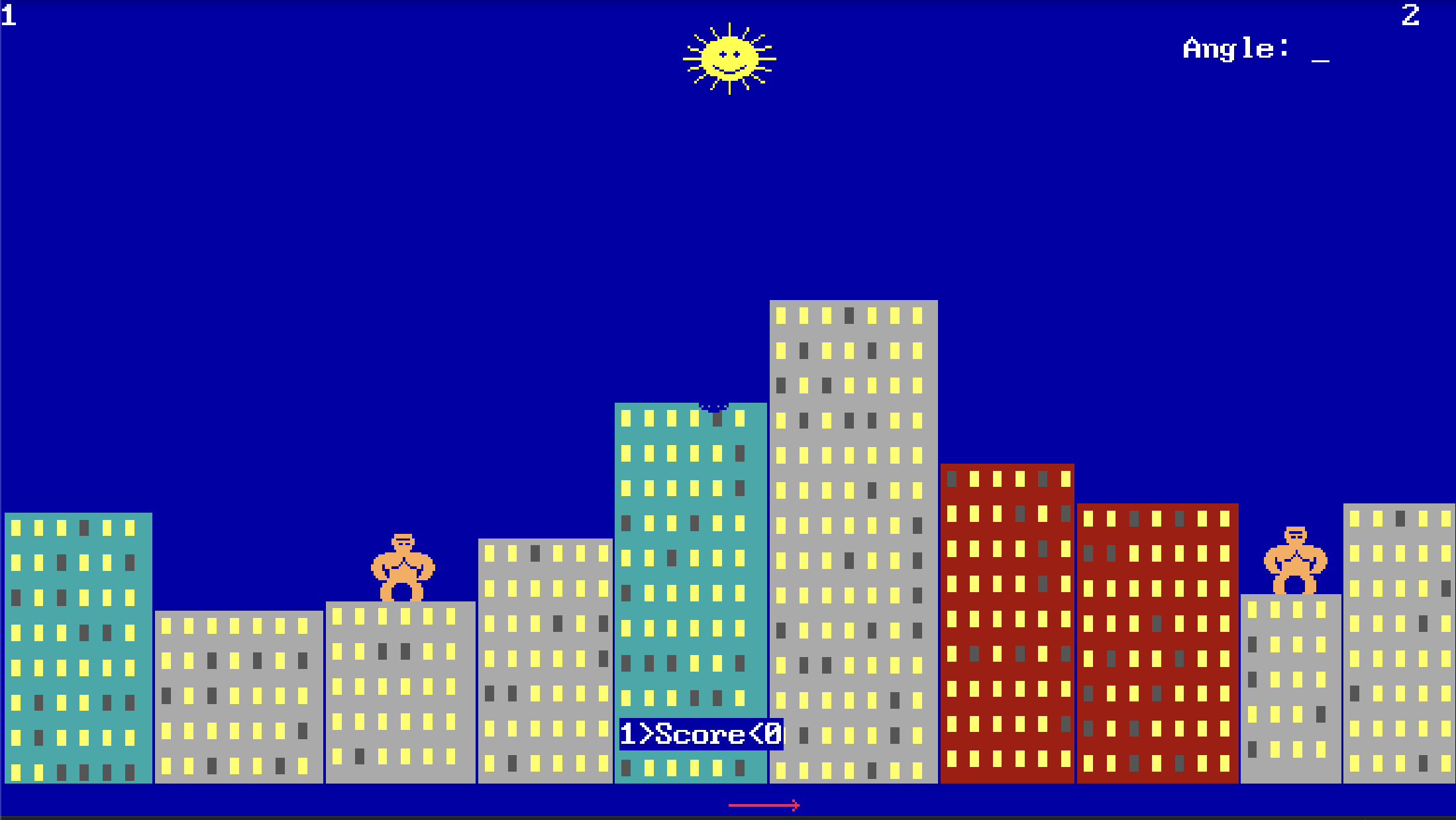
My first memories with computers was through my Grandpa. I would sit on his lap and he would type commands into the computer. We would play Centipede, Tempest, and Astroids. It wasn’t uncommon for a new computer (and video games) to appear when I visted. On one such occasion, his new computer came with a mouse. He showed me how it worked. I wanted to use my left hand, but he told me, no, we use our right hand. This interaction explains, why me, a left hander, uses the mouse with my right.
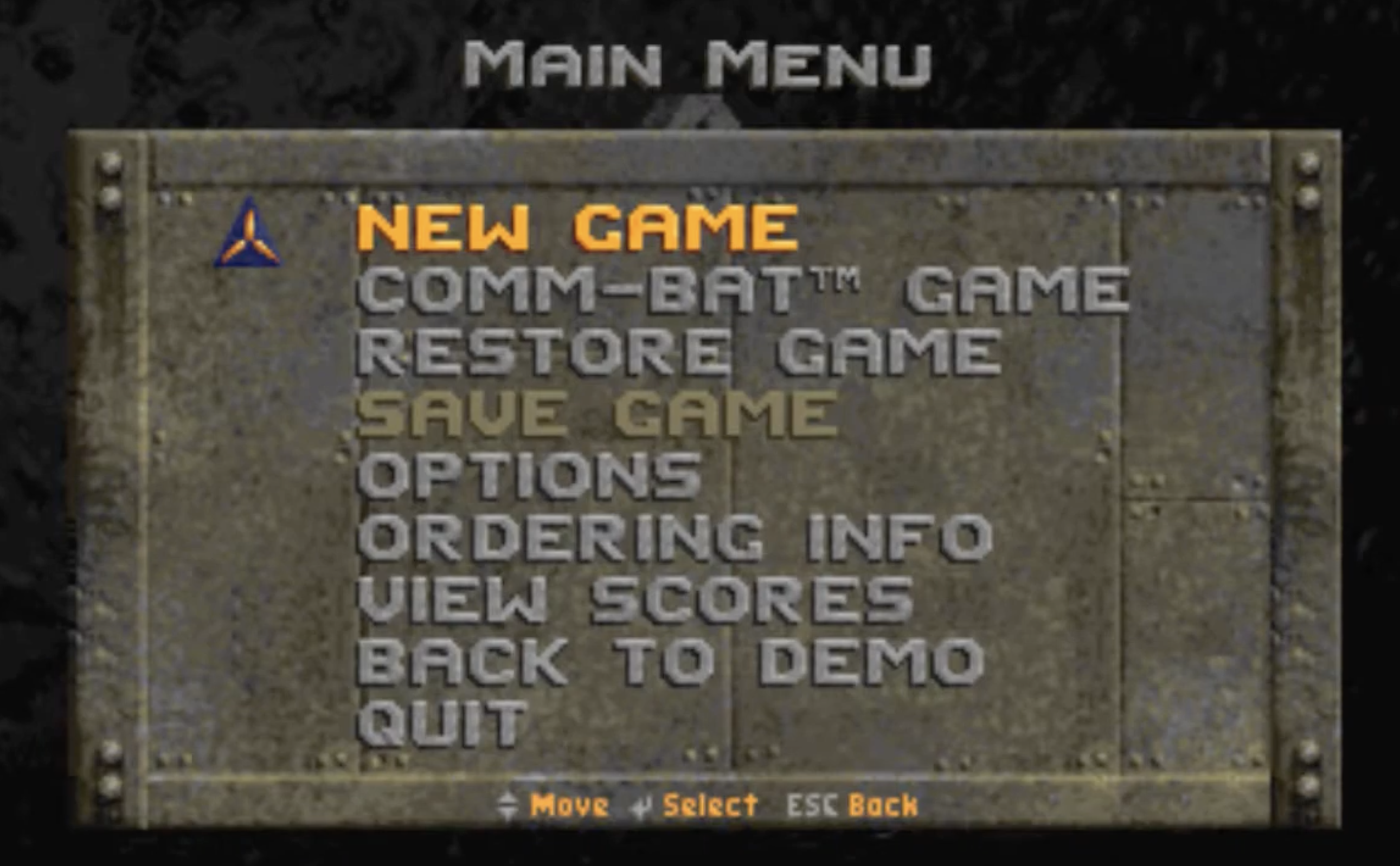
The mouse unlocked new ways to interact with the computer. You could point, click, and drag. The games we played changed as well. Various Soleau Software puzzle games and Commander Keen came into rotation. We also played Blake Stone: Aliens of Gold, and Rise of the Triad: Dark War. These advanced games presented menu items before the action started. Problem. I couldn’t read. Their function was locked behind comprehension. So, the only solution, try selecting each one. Some made the screen flicker or broke the game. Others would spawn me into an empty map with no enemies (weird). All this to the annoyance of my Grandpa as he would have to fix them.
As I grew older, my parents purchased a Dell computer that came with Windows XP. With my newly equipped skill of word comprehension, I was set free on a new generation of computing. MsPaint, Microsoft Word, Pinball, and Spider Solitaire were my new best friends. I started picking out games from Walmart and requesting games from the library. Each game came with new system requirements. My mom helping as much as she could, we tried to figure out why some games would work and others would not.
One day, our computer had a hardware failure and my parents took it to a repair shop. When it returned, my games would no longer work. Disaster! I complained to my parents, something wasn’t right. My uncle recommended a friend who fixed computers. He found the video card had been either replaced, or removed. He installed a new card that would meet our requirements. He told my parents I really had a knack for this thing. My parents didn’t really know what to do with that information.
My whole childhood felt like I was living in a vacuum of information. I could see the programs and video games that existed, but I never understood how it was possible to create them. I would spend hours looking through Windows and Program directories. Opening files and seeing what would happen. I would open .exe files with Notepad and look at the thousands lines of text. I knew somehow this was what made programs work.
I used MSpaint to create whole levels from my favorite games. I would make huge images with every level of detail. I would then create copies of these images and make changes to “animate” them. I brought my mom to the computer and showed her. Look, I can make these images, but I don’t understand how to make them into a game.
For my 12th birthday I got three For Dummies books. HTML 4, C++, and Beginning Programming. Beginning Programming taught (Liberty Basic)[https://www.libertybasic.com/] (an educational language). I learned the fundamentals of programming variables, arrays, loops, and logic. I would create simple quiz games for my siblings on topics related to what we were learning in school. A point for each question you got right and a point removed for every wrong answer. 25 points to win.
Programming is a skill like rock climbing, tap dancing, and pole vaulting. Some people are naturally better than others, but anyone can get better with regular practice. That’s why so many kids become programming wizards at such an early age. These kids aren’t necessarily brilliant; they’re just willing to put in the time to learn a new skill, and they’re not afraid of failing because they know that failure is nothing more than a part of learning3.
Over time i realized that most games were made with preexisting game engines. Once again, I turned to my mother. I needed a game engine to create my games. She did some calling (I have no idea to who) and found Alice. You could create 3D scenes and animation. It wasn’t a game engine per se, but I continued to learn as much as I could.
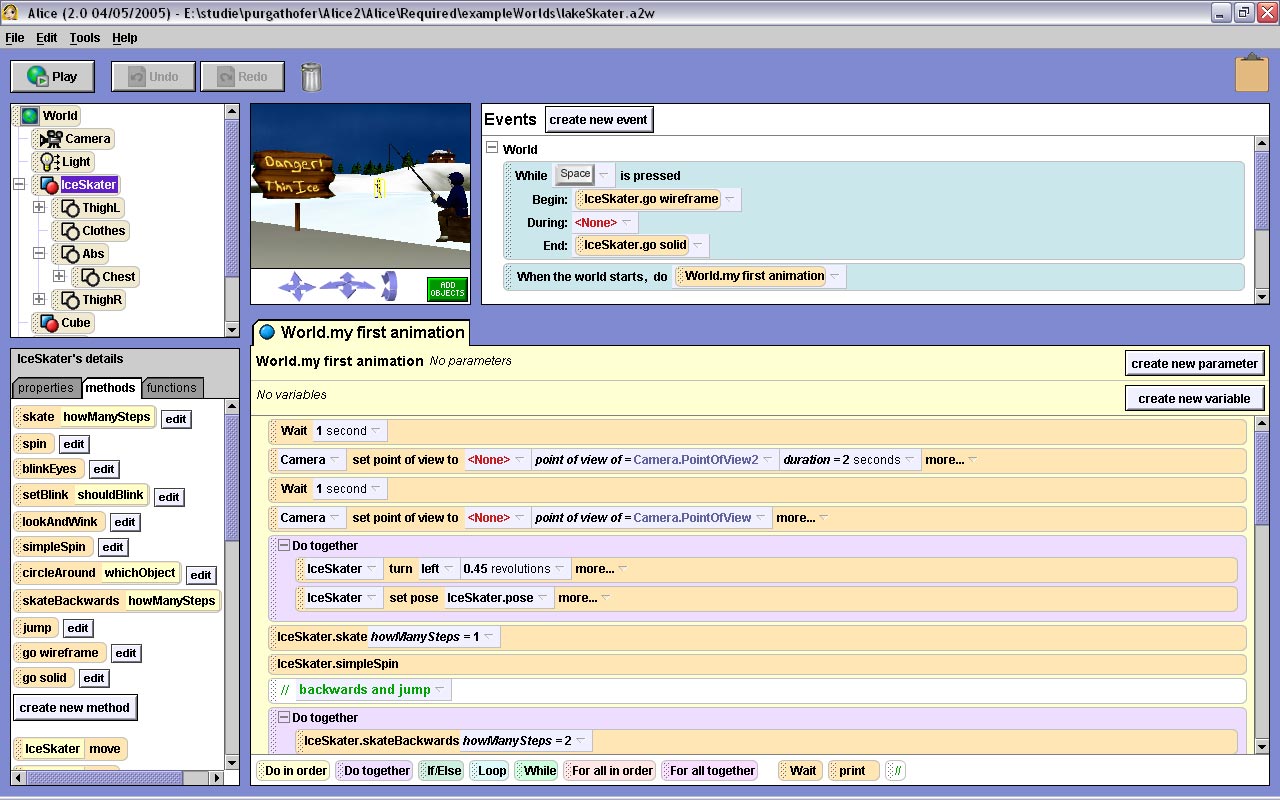
While game development was not in my future, these inital investments helped build the foundations of understanding required to build a successful career in Information Technology. I was still in a void of information, but that was about to change. The paths we take are winding and not always clear. By luck I was about to get an opportunity that would set me on a course I could not forsee.
References
-
Beginning programming for dummies* (4th ed.). (2006). John Wiley & Sons. ↩